Traveling From Abroad
From the photo-based pre-assessment to the post-return check-in, the process runs through a single coordinator.
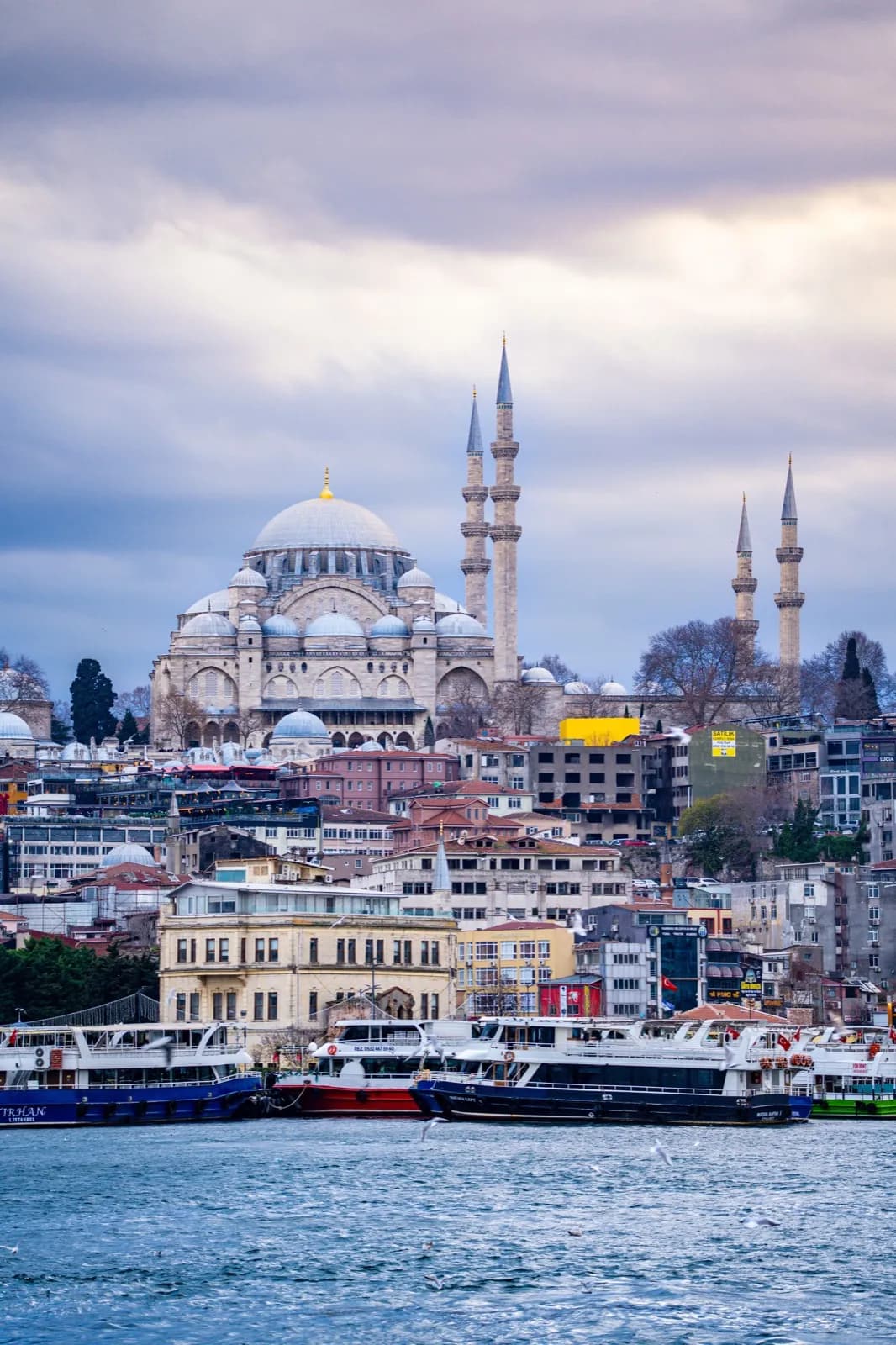
For patients traveling from abroad to Istanbul for a hair transplant, the process begins with a remote pre-assessment long before boarding a flight. Below you'll find how this process works step by step, how the program runs in Istanbul, and what follow-up looks like after you return home.
Remote Pre-Assessment
The process begins when the patient sends photos of their scalp from different angles (front, top, side, and back) to our coordination team. Using these photos, the visible density of the donor area and the extent of hair loss are given an initial assessment; information about the patient's health history and expectations is also gathered at this stage. Following the assessment, the patient is informed about possible technique options and given a general plan outline, after which the surgery date in Istanbul is finalized. The final plan and graft range are only confirmed once the patient has gone through the donor analysis at the clinic; the remote assessment is meant as preliminary information.
Arrival and Transfer in Istanbul
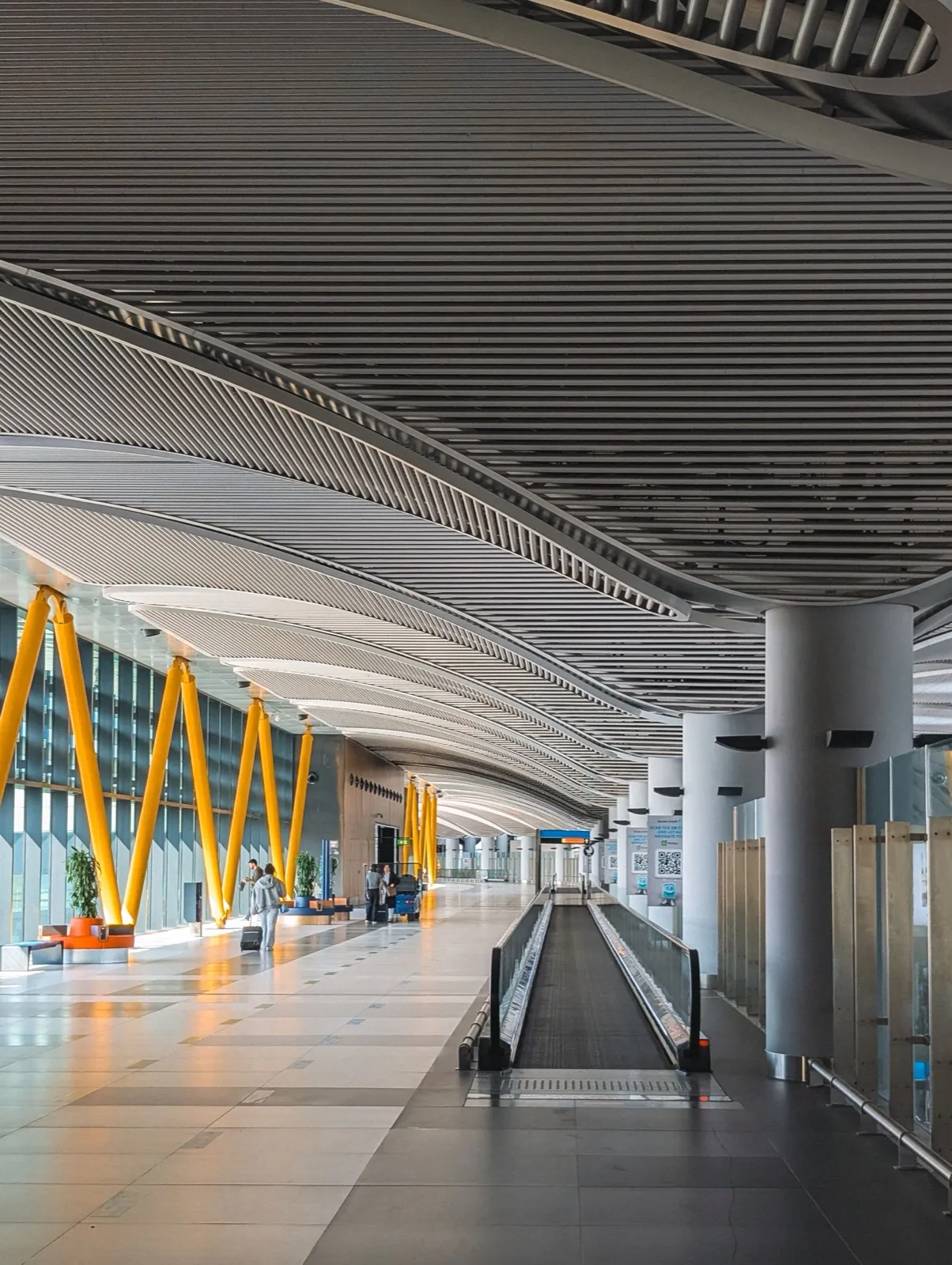
When the patient lands at Istanbul Airport, they are met by our coordination team and transferred to their accommodation. Transport between the clinic and the accommodation for surgery day and follow-up appointments is also arranged; the patient doesn't need to organize any additional transportation during their time in Istanbul.
Accommodation
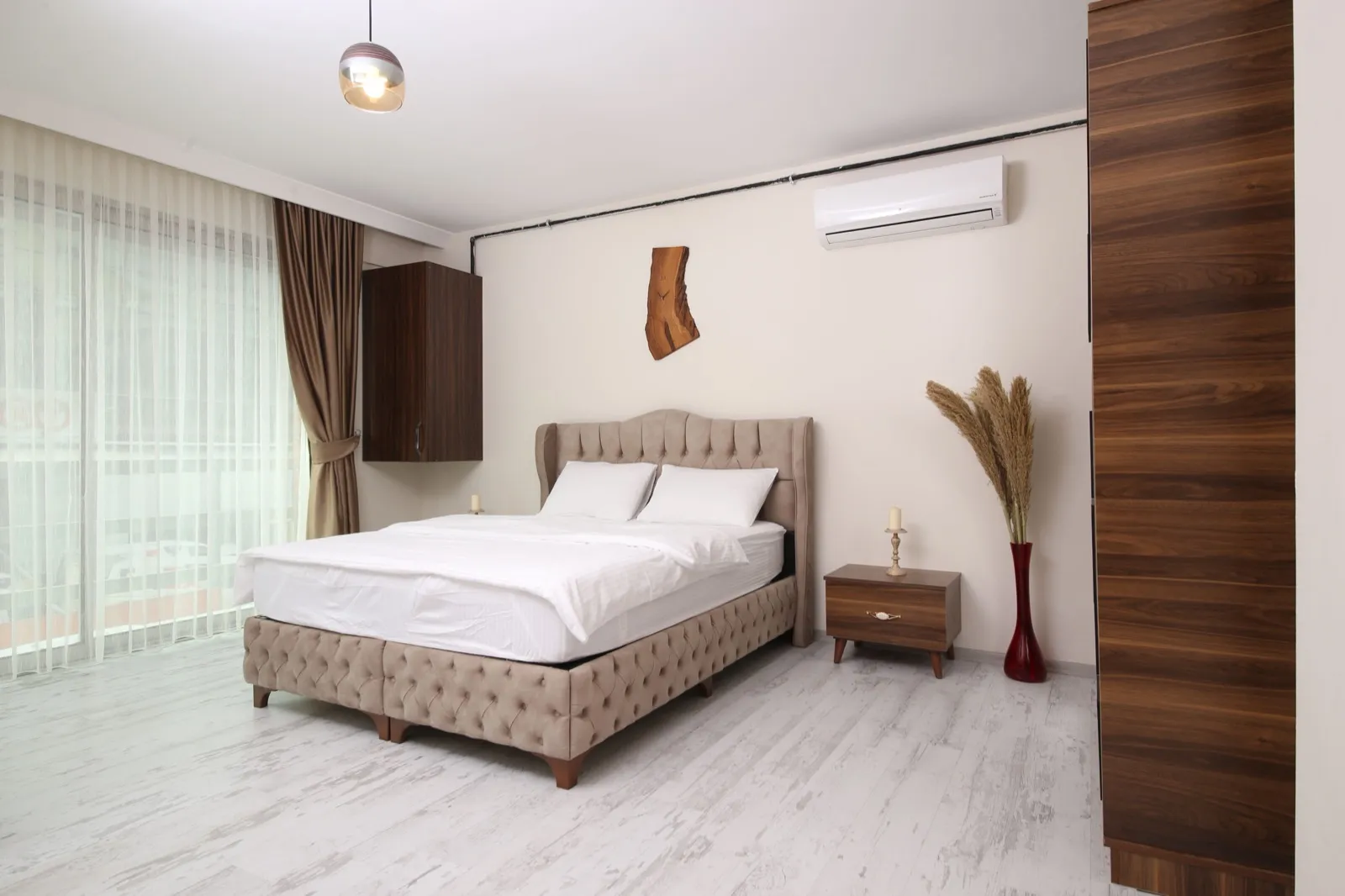
Accommodation options near the clinic are offered so the patient can rest comfortably before and after surgery. The length of stay varies depending on the program chosen and the return flight; it typically covers one night before surgery day and several days afterward.
Multilingual Support
The patient is kept informed in their own language throughout the process. Our coordination team provides support in English, Russian, Arabic, and German; the initial consultation, surgery day, and all communication afterward take place in these languages. When needed, the patient's questions are also answered directly by the physician with an interpreter present.
Program Schedule
Day 1 — Arrival and assessment: The patient is met at the airport and transferred to their accommodation. The same day or the following morning, an in-person donor analysis, hairline design, and pre-operative health assessment take place at the clinic; the patient's questions are answered during this consultation.
Day 2 — Surgery day: The patient is welcomed at the clinic in the morning, and the procedure is carried out under local anesthesia. Procedure length varies depending on graft count and technique. At the end of surgery, the first dressing is applied, and washing and aftercare instructions are reviewed with the patient and any companion; the patient returns to their accommodation the same day.
Day 3 — First check-in and first wash: The day after surgery, the first professional wash is carried out at the clinic, and the donor and recipient areas are checked. The patient is walked through the at-home washing and aftercare routine once more, in detail, in the language they need. After this check-in, the patient is ready for their return flight; in some cases, the program may be extended by a day depending on the patient's flight date.
Follow-up After Returning Home
Follow-up continues after the patient leaves Istanbul. Our coordination team requests photos from the patient at regular intervals to track the completion of scabbing, the possible shock-loss phase, and new growth in the following months, and provides guidance based on these images. Washing frequency, products to use, and behaviors to watch (sun exposure, exercise, haircuts) are reminded to the patient according to their current stage. This follow-up, which extends across 12 months, continues even while the patient is outside Istanbul.
Post-Flight Care
Additional guidance is given to patients who will take a long flight shortly after surgery: changes in cabin pressure and humidity can call for extra care around a freshly worked donor and recipient area. The patient receives concrete recommendations on avoiding pressure on the area during the flight, using a cap or hat only with the physician's approval, and staying well hydrated. Standing up or taking short walks during long flights to support circulation is also among the simple precautions recommended.