Beg Hair Clinic
A clinic in Istanbul focused solely on hair transplantation, working with a measurement-based planning approach.
Our Location
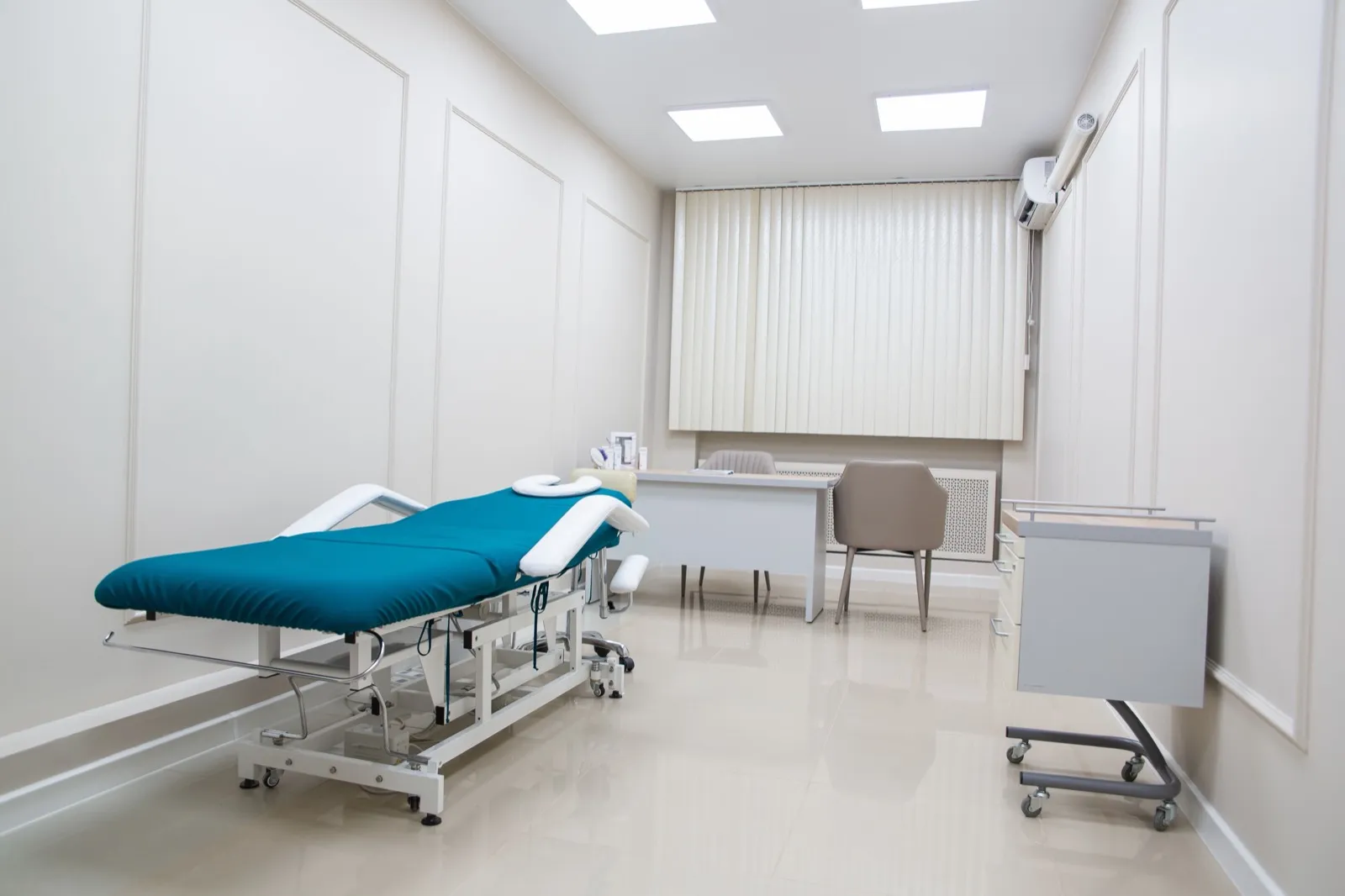
Beg Hair Clinic operates in Istanbul as a clinic focused solely on hair transplantation. Located in an easily accessible part of the city, the clinic is built around a structure that lets patients — whether traveling from within Turkey or from abroad — complete assessment, planning, and surgery within an organized flow. As Istanbul has become an international center for hair transplantation, our clinic has prioritized keeping every case treated as its own individual planning process, even as patient numbers have grown. Scheduling, initial analysis, and coordination on surgery day are all handled by a single team for the duration of the patient's time in Istanbul; rather than being passed between different departments as the process moves forward, the patient stays in touch with the same coordinator. This continuity makes planning more predictable, especially for patients whose time in Istanbul is limited.
Our Planning Philosophy
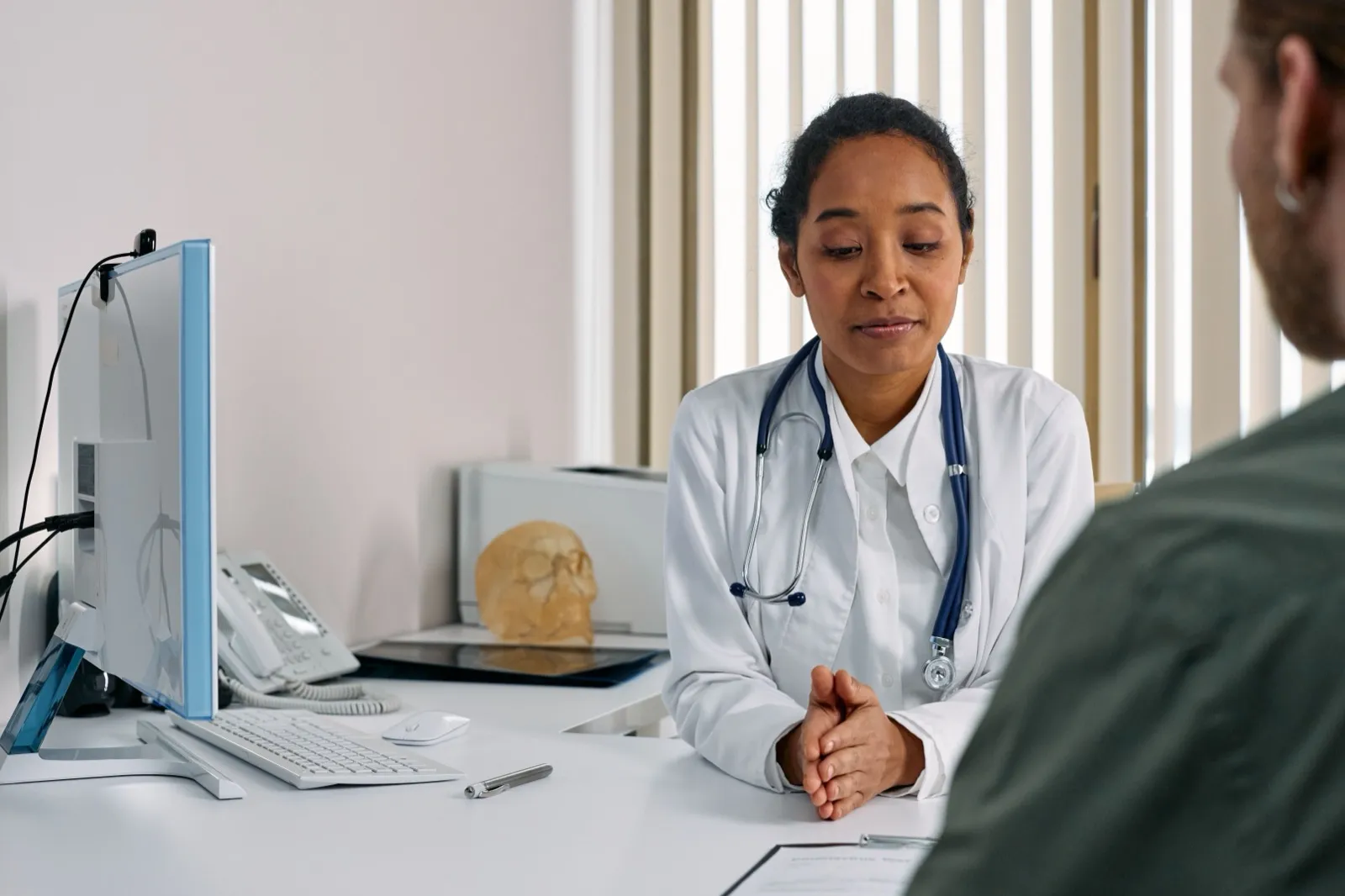
One of the most significant factors in a hair transplant outcome is an accurate assessment of the donor area. At our clinic, every patient goes through measurement-based planning before surgery, covering donor density, hair shaft thickness, scalp elasticity, and a map of the balding area. These measurements determine how many grafts can be harvested, which areas take priority, and which technique will be used. The goal is to build a realistic plan that matches the patient's existing capacity, without overworking the donor area. Hairline design is shaped together with the patient using these same measurements, taking facial structure and age into account; the design isn't left until surgery day, it's finalized beforehand. The donor area's physical capacity sets the upper limit for every plan: the balance between the target area size and the number of grafts that can safely be harvested is calculated before surgery, and graft distribution is planned by priority order when needed (hairline and front area first).
Techniques We Use
At our clinic, different techniques — FUE, Sapphire FUE, DHI, Robotic FUE, and shaveless application — are selected according to the patient's area of loss, donor capacity, and expectations. In cases with a large area to cover, classic FUE or motorized/assisted harvesting may be considered to reach a higher graft count in a single session, while Sapphire FUE's smaller, cleaner-edged channels can offer an advantage in areas where density is the priority. In cases that need added density between existing hair, or that call for precise hairline work, DHI's approach of combining channel opening and placement into a single step stands out. For patients who prioritize a quick return to daily life, the shaveless option is considered. Which technique, or combination of techniques, will be used becomes clear only after the donor analysis is complete; a fixed method is not applied to every patient in the same way.
Sterilization and Patient Safety
Since hair transplantation is a surgical procedure, sterilization and infection control are observed at every stage of the process. Instruments used are either single-use or processed through standard sterilization protocols; the operating room and required materials are prepared separately before each patient. The patient's general health, chronic condition history, and current medications are reviewed before surgery; if a bleeding disorder or an uncontrolled chronic condition is present, the process is managed together with the relevant specialist. Patient comfort is monitored throughout the local anesthesia, and the team checks in at regular intervals during the procedure.
Three photos are enough
Send three photos — front, crown and back. You'll receive your donor capacity, graft range and suitable technique within 24 hours.
Request a free analysis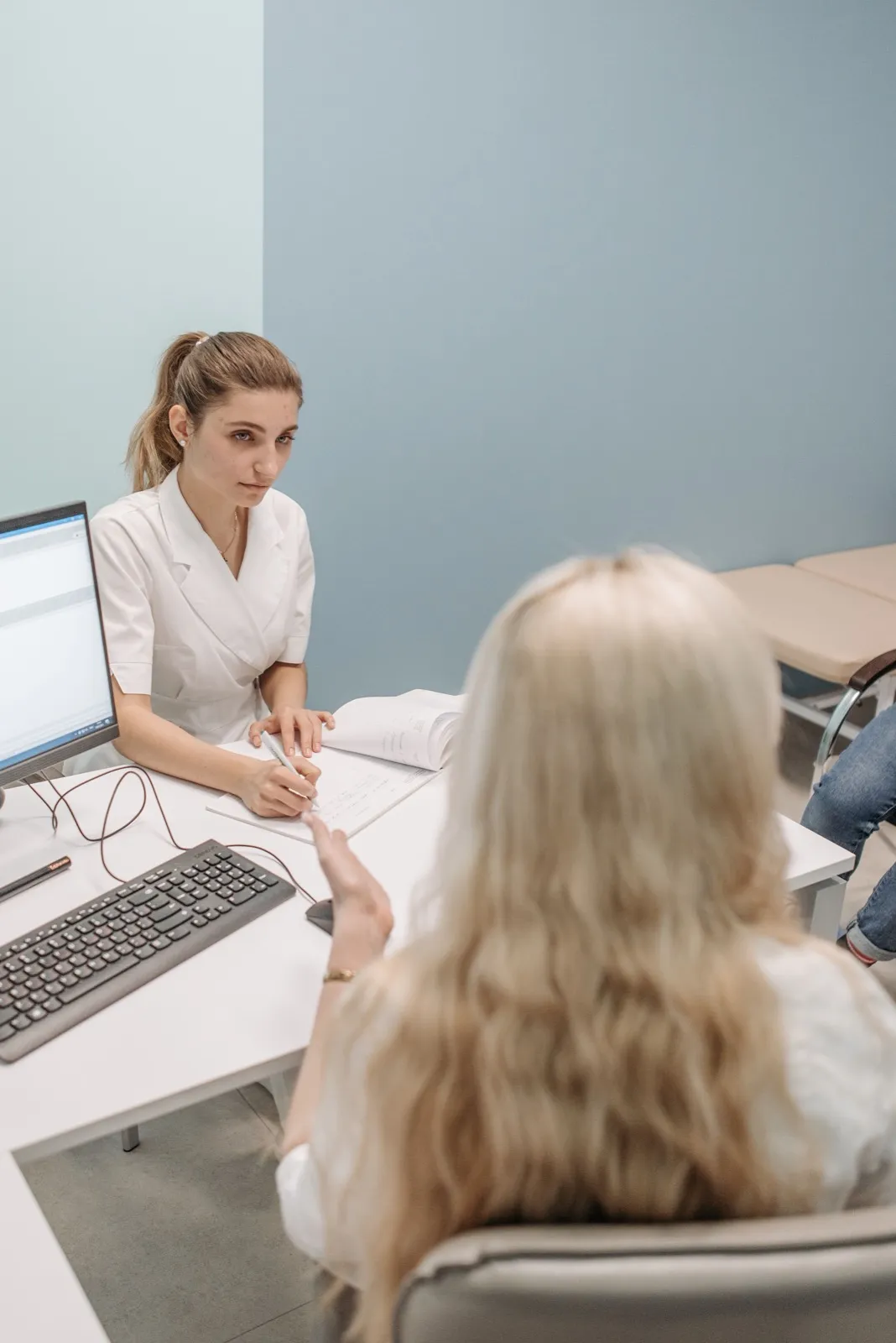
Multilingual Patient Coordination
Since a significant share of our patients travel from abroad, being able to communicate in their own language throughout the process is a priority. Our coordination team offers support in English, Russian, Arabic, and German; the patient is kept informed in a language they understand at every stage — initial assessment, surgery day, and follow-up afterward. This approach isn't just a practical convenience; it also helps ensure the patient receives clear, accurate information about their treatment in a timely way.
Post-Op Follow-up
The outcome of a hair transplant isn't limited to surgery day; graft survival and growth take shape over months. For this reason, our patients are enrolled in a follow-up protocol that extends across 12 months after surgery. The first wash, the scabbing period, the possible shock-loss phase, and new growth in the following months are all tracked at regular intervals; after returning home, patients can still receive remote guidance by sharing photos and updates. This follow-up is maintained to monitor whether the process is progressing as expected and to answer patient questions in a timely way.
At Beg Hair Clinic, every patient's donor capacity, area of loss, and expectations differ; for that reason, our approach relies less on a standard procedure and more on a measurement-based, individualized planning process. Outcomes vary from person to person; the final assessment is always confirmed after the donor analysis.